
The Evolution of a Tech Visionary
Mark Zuckerberg’s journey from a Harvard dorm room to leading one of the world’s most influential technology companies is a testament to innovation and dedication. Born in 1984 in White Plains, New York, Zuckerberg demonstrated an early passion for technology, creating software such as a messaging system called ZuckNet for his family’s home and dental office during his teenage years. His academic pursuits at Harvard, where he studied psychology and computer science, laid the groundwork for his groundbreaking creation.
In 2004, he co-founded Facebook with roommates Eduardo Saverin, Andrew McCollum, Dustin Moskovitz, and Chris Hughes, initially designing it as a platform to connect college students. The platform’s swift expansion to other universities and eventually a global audience showcased Zuckerberg’s ability to anticipate and enhance societal trends in digital connectivity. His decision to leave Harvard to focus on Facebook full-time marked a bold step that propelled the company forward, leading to strategic expansions through acquisitions like Instagram in 2012 and WhatsApp in 2014. Zuckerberg’s leadership, characterized by a visionary approach and technical expertise, has guided the company through remarkable growth, fostering a culture of innovation. The transition to Meta Platforms reflects his forward-thinking vision, embracing new technologies to redefine human interaction on a global scale. This evolution highlights his adaptability and commitment to advancing the technological landscape.
The technical foundation of Zuckerberg’s success stems from his deep-rooted programming skills, developed through self-directed learning and academic training. As a high school student, he crafted Synapse Media Player, a music recommendation tool that caught the attention of major tech firms like Microsoft and AOL, signaling his potential early on. This expertise allowed him to shape Facebook’s initial development, particularly in its early days as a simple social directory. Over time, as the company grew, his role shifted toward strategic oversight, yet his influence remained strong through a focus on fostering creativity and progress. The introduction of features like the News Feed and the Open Graph API demonstrated his foresight in expanding the platform’s capabilities, transforming it into a vital tool for global communication. His pivot toward artificial intelligence and virtual reality under Meta, including advancements like the Llama AI model, underscores a dedication to pioneering technologies that enhance everyday life. These efforts, supported by a talented team, illustrate his ongoing commitment to pushing the boundaries of what technology can achieve.
Zuckerberg’s personal story adds depth to his professional achievements, revealing a leader shaped by both intellect and compassion. His marriage to Priscilla Chan in 2012 and the birth of their children have brought a personal dimension to his public life, while his philanthropy through the Chan Zuckerberg Initiative, launched in 2015, reflects a desire to make a lasting impact. This initiative, backed by a pledge to donate 99% of his Facebook shares, focuses on advancing education, health, and scientific research, showcasing a vision for global betterment. His interactions with international leaders, such as meetings to promote technological collaboration, highlight his role as a global influencer. These experiences have crafted a public persona that inspires through innovation and generosity, with his estimated net worth exceeding $221 billion as of 2025 serving as a measure of his success in the tech industry.
The technical foundation of Zuckerberg’s success lies in his programming prowess, honed through self-directed learning and formal education. During his high school years, he developed Synapse Media Player, a music recommendation tool that garnered attention from industry giants like Microsoft and AOL, hinting at his potential long before Facebook. This background in coding provided him with the ability to directly influence Facebook’s development, particularly in its initial phases when the platform was a minimalist social directory. His hands-on approach diminished over time as the company grew, yet his influence persisted through strategic oversight and a commitment to fostering a culture of innovation. The introduction of features like the News Feed and the Open Graph API exemplified his ability to anticipate user needs and expand the platform’s utility, transforming it from a niche college network into a global utility. However, this technical acumen has also been a double-edged sword, with criticisms arising over data privacy and security lapses, such as the Cambridge Analytica scandal, which exposed vulnerabilities in Facebook’s data management practices. Zuckerberg’s response to such challenges, including public testimony before Congress and policy overhauls, illustrates a leader grappling with the ethical implications of his creations. His pivot toward artificial intelligence and virtual reality under the Meta umbrella further demonstrates a forward-thinking approach, aiming to integrate advanced technologies like the Llama AI model into everyday life, though the financial and ethical stakes of these ventures remain subjects of intense debate within the tech community.
Zuckerberg’s personal journey has been as much about public perception as it has been about technological achievement. Portrayed in the 2010 film The Social Network as an ambitious yet socially awkward figure, his real-life persona has evolved through public appearances and written communications, revealing a more nuanced character. His marriage to Priscilla Chan in 2012 and the birth of their children have humanized him, while his philanthropy, notably through the Chan Zuckerberg Initiative launched in 2015, has sought to address global challenges in education, health, and science. This initiative, funded by a pledge to donate 99% of his Facebook shares, represents a significant shift from profit-driven motives to societal impact, though the use of a limited liability company structure rather than a traditional nonprofit has sparked discussions about tax implications and control. His engagement with political figures, such as meetings with Russian Prime Minister Dmitry Medvedev in 2012 to boost Facebook’s presence in Russia, and his interactions with U.S. regulators, highlight a leader navigating the intersection of technology and geopolitics. These experiences have shaped a public image that oscillates between innovator and controversial figure, with his net worth, estimated at over $221 billion as of 2025, underscoring his financial success while amplifying scrutiny of his influence.
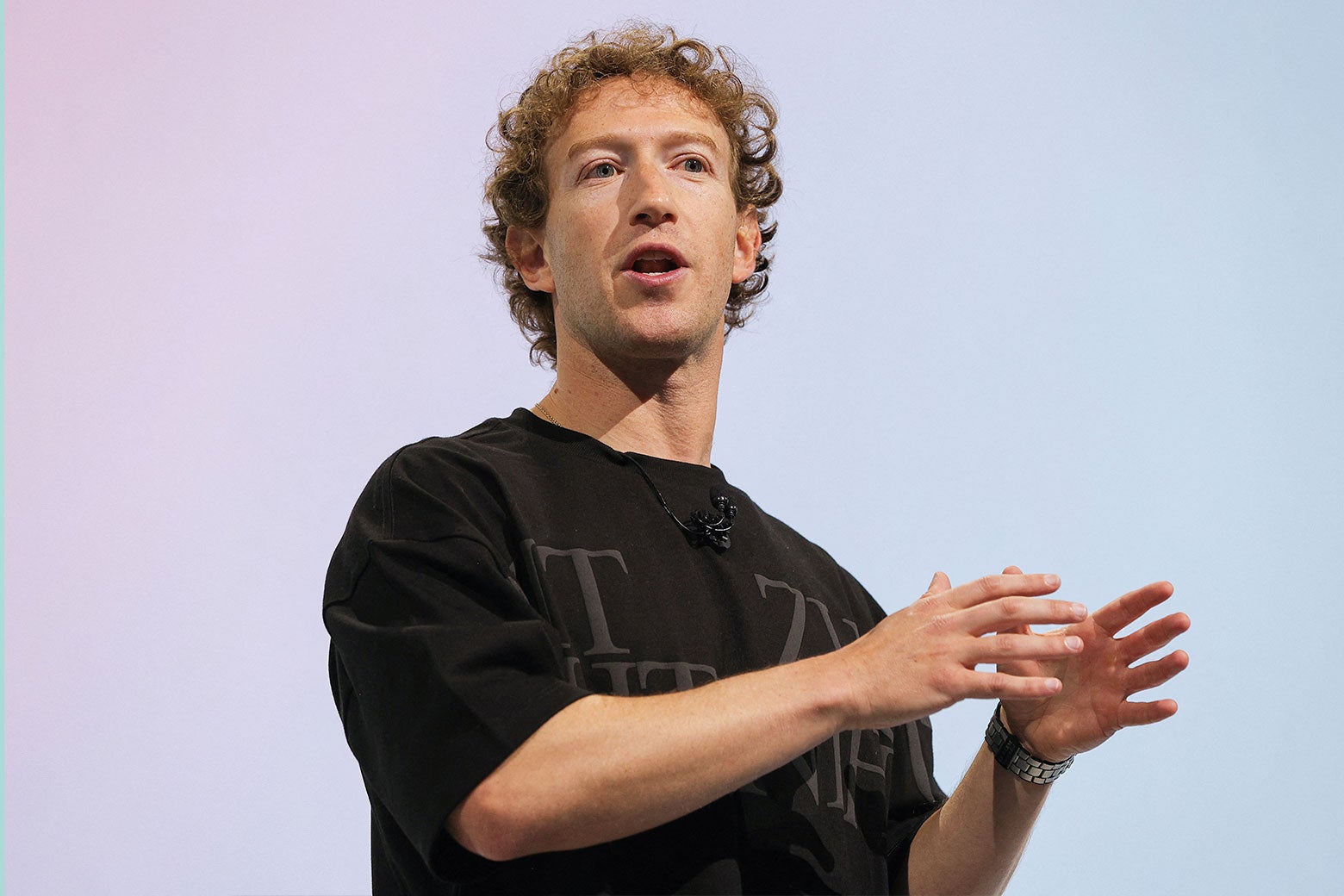
The Intersection of Innovation and Influence
The transformation of Facebook into Meta Platforms under Zuckerberg’s guidance represents a bold step toward redefining digital experiences. Announced in 2021, this shift toward a metaverse built on virtual and augmented reality technologies, enhanced by the acquisition of Oculus VR, showcases his belief in the future of immersive connectivity. The Reality Labs division, a hub for these innovations, demonstrates his willingness to invest in long-term projects that promise to revolutionize how people interact online. This strategic pivot has been complemented by efforts to optimize the company’s structure, ensuring it remains agile and forward-looking in a competitive industry. Zuckerberg’s leadership during the 2025 antitrust discussions, where he articulated the evolving role of social media as a platform for learning and entertainment, reflects his ability to navigate complex landscapes with clarity and purpose. His vision continues to drive Meta’s growth, supported by a workforce dedicated to realizing these ambitious goals.
Zuckerberg’s influence in artificial intelligence marks another chapter in his technological legacy. The development of the Llama AI model and the hosting of LlamaCon in 2025 highlight his commitment to advancing accessible AI tools, offering resources to developers worldwide. His discussions, such as the 2025 interview with Ben Thompson, reveal a thoughtful leader who sees AI as a means to enhance human connection, aligning with his original mission for Facebook. This focus has bolstered Meta’s recruitment of top talent, with both the company and the Chan Zuckerberg Initiative leveraging cutting-edge technology to attract innovators. The integration of AI into Meta’s ecosystem, from improving user experiences to supporting research initiatives, underscores a holistic approach to technological advancement. These efforts, underpinned by a culture of excellence, position Zuckerberg as a key figure in shaping the future of intelligent systems.
Philanthropy remains a cornerstone of Zuckerberg’s influence, with the Chan Zuckerberg Initiative serving as a platform for global progress. Launched with a letter to his daughter Max in 2015, the initiative has channeled significant resources into education, health, and scientific discovery, reflecting a partnership with Priscilla Chan that blends technological expertise with humanitarian goals. Recent investments in projects like the Chan Zuckerberg Biohub Chicago demonstrate a focused effort to advance biomedical research through innovative approaches. The couple’s substantial financial commitment, supported by their shared vision, continues to inspire advancements that benefit society. These endeavors highlight Zuckerberg’s dedication to using his success to address some of the world’s most pressing challenges, reinforcing his legacy as a leader with a global perspective.
The Legacy of a Digital Titan
Zuckerberg’s leadership has been defined by a series of transformative decisions that have elevated Meta’s standing in the tech world. The company’s initial public offering in 2012, raising $16 billion, marked a significant milestone, affirming his status as a young visionary in the industry. His management style, blending inspirational leadership with a focus on innovation, has cultivated a dynamic culture at Meta, evident in the development of features like video chat and the marketplace. The support of key executives has bolstered this environment, ensuring a collaborative approach to growth. His engagement with global trends, from promoting social media innovation to supporting technological collaboration, underscores his role as a worldwide influencer. These experiences have shaped a career marked by consistent progress and a commitment to excellence.
The technological landscape Zuckerberg has helped forge continues to evolve, with Meta’s investments in AI and the metaverse setting new benchmarks. The release of the Llama API in 2025, designed to empower developers, echoes his early ideals of openness, supported by robust technological infrastructure. His personal reflections, shared in writings like “Personal Superintelligence” in 2025, offer insights into a leader contemplating the potential of his work to enhance human potential. The ongoing development of Reality Labs, with its focus on virtual reality, represents a bold investment in the future, promising to redefine digital interaction for generations to come. These initiatives, driven by a workforce committed to innovation, reflect a leadership style that embraces bold visions while maintaining operational strength.
Zuckerberg’s personal wealth and philanthropic efforts further enhance his legacy. His net worth, tied to Meta’s success, places him among the world’s leading entrepreneurs, a status that amplifies the reach of his charitable work. The Chan Zuckerberg Initiative’s focus on curing diseases through AI and building computational tools, such as those for cell modeling, showcases a forward-thinking approach to philanthropy. His public persona, shaped by media portrayals and thoughtful engagement, inspires through his dedication to innovation and societal good. These elements combine to create a legacy of a leader whose contributions continue to shape the digital age, driven by a passion for technology and a desire to make a positive impact.
Mark Zuckerberg’s influence extends beyond the digital realm into a dynamic relationship with Elon Musk, marked by a history of public engagement and shared technological interests as of August 2025. The two tech leaders have been known to interact through social media and public forums, with their most notable exchange occurring in 2017 when Zuckerberg, during a Facebook Live session, expressed optimism about artificial intelligence, contrasting with Musk’s concerns about its potential risks, a discussion that highlighted their differing perspectives on AI’s future. This dialogue resurfaced in 2023 when Musk challenged Zuckerberg to a cage match via a tweet, prompting Zuckerberg to respond with “send me location” on Instagram, sparking widespread attention though no fight materialized. Their rivalry took a new turn in March 2025 when Meta announced it would adopt a community notes feature for content moderation on Facebook, Instagram, and Threads, explicitly drawing on X’s open-source algorithm developed under Musk’s leadership, signaling a shift toward collaboration rather than competition. This move came after years of tension, including the 2016 incident when a SpaceX rocket explosion destroyed a Facebook satellite, an event Zuckerberg addressed with disappointment on his platform, while Musk later offered a free launch as compensation. Despite past friction, their paths crossed again in January 2025 at Donald Trump’s inauguration, where both were present alongside Jeff Bezos, indicating a convergence of tech influencers in political spheres. As of 01:10 PM EEST on August 2, 2025, no formal collaborative projects have been confirmed, but their public interactions and Meta’s adoption of X’s technology suggest a pragmatic respect, with Musk’s focus on AI through xAI and Zuckerberg’s metaverse ambitions under Meta reflecting parallel efforts to shape the technological landscape, fostering a narrative of mutual influence rather than outright partnership.